About Donald Msapenda
A blend of heart, curiosity and systems thinking.
My career has moved through technology, ministry, HR, organisational leadership, coaching, consulting and entrepreneurship. From the outside, that can look unconventional. To me, there has always been one thread: understanding how people, systems and purpose interact — and what helps them flourish.
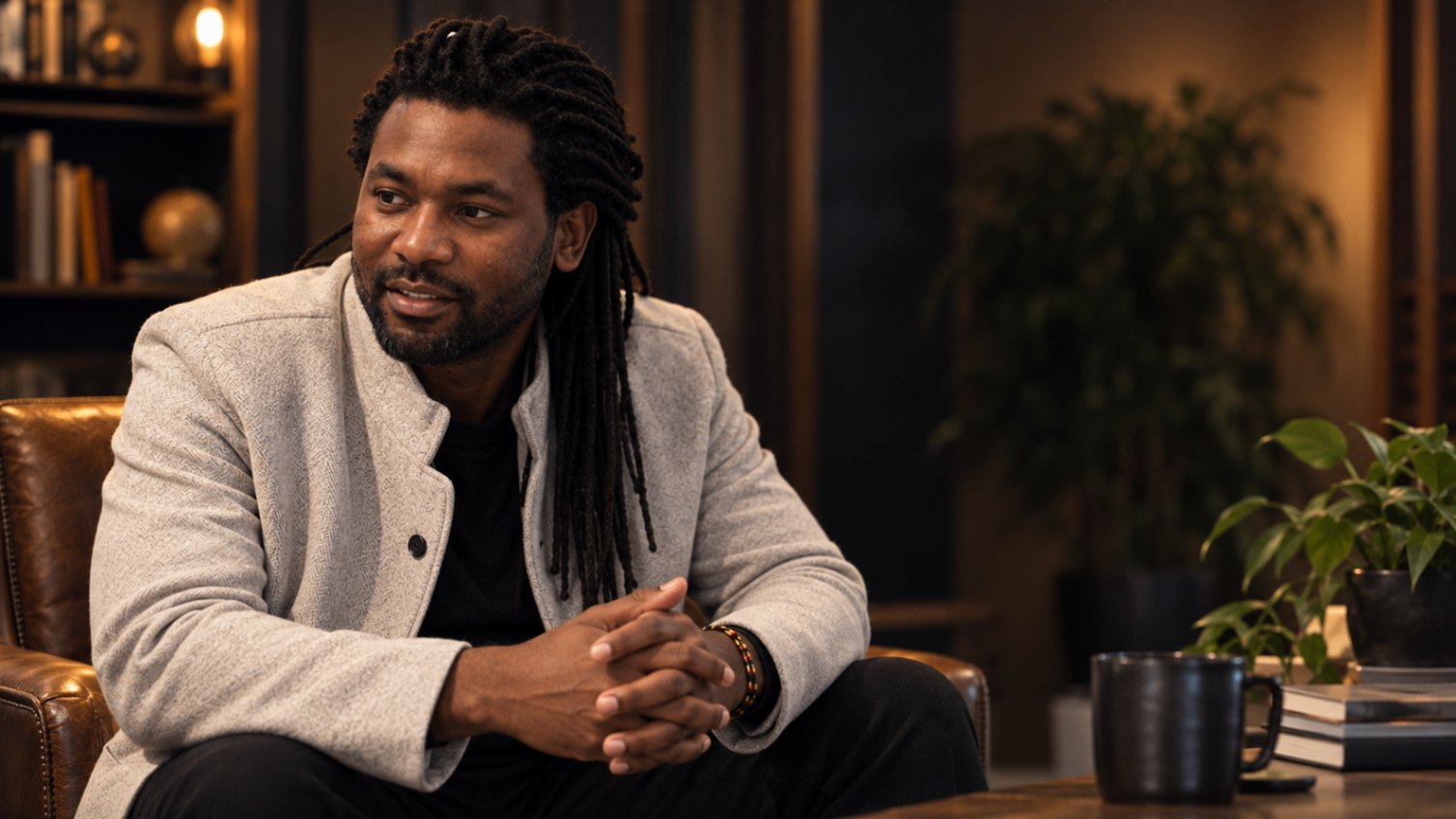
The through-line
The path has not been linear. The learning has.
Each turn added a lens rather than replacing one. Together they let me read an organisation from several directions at once.
Technology
Computer science gave me an instinct for logic and structure — how parts connect, where a process breaks, and why the fault is usually in the design rather than the person operating it.
Ministry
Ministry deepened a belief in dignity, potential and meaning, and taught me to listen beneath what people say. Hope is not sentimental; it changes what people believe is possible.
Human resources
HR showed me how decisions, structures and everyday management shape the actual experience of work — often quite differently from what was intended on paper.
Leadership & executive roles
Leading taught me the distance between a good idea and something that works in practice, with real constraints, real budgets and real people carrying the change.
Psychology, coaching & NLP
Organisational psychology, coaching, NLP and life-coaching approaches added lenses for behaviour, thinking, self-awareness and how change actually takes hold.
Consulting, building & enterprise
Consulting, entrepreneurship and building software and systems keep me close to experimentation and implementation — and to what is genuinely possible now.
How I see organisations
I’m interested in the system behind the symptom.
I help leaders see the whole system, not just the presenting problem.
When something is not working, I rarely assume the issue sits with one person, one team or one process. I look at how purpose, strategy, structure, systems, leadership behaviour, team dynamics and individual experience are interacting.
That means I can move up to the strategic view and down to the coalface, then connect what each level is seeing. The answer is rarely sitting at only one level.
- A performance problem may actually be a role-clarity, workload, capability, decision-rights or system problem.
- A culture issue is often reinforced by what the organisation rewards, tolerates or simply makes easy.
- A sound strategy can still fail if the systems beneath it encourage different behaviour.
- A recurring “people problem” may not primarily be a people problem.
For leaders, systems thinking creates a different kind of confidence. You do not have to react to every symptom. You can step back, see the pattern, ask better questions and intervene closer to the cause.
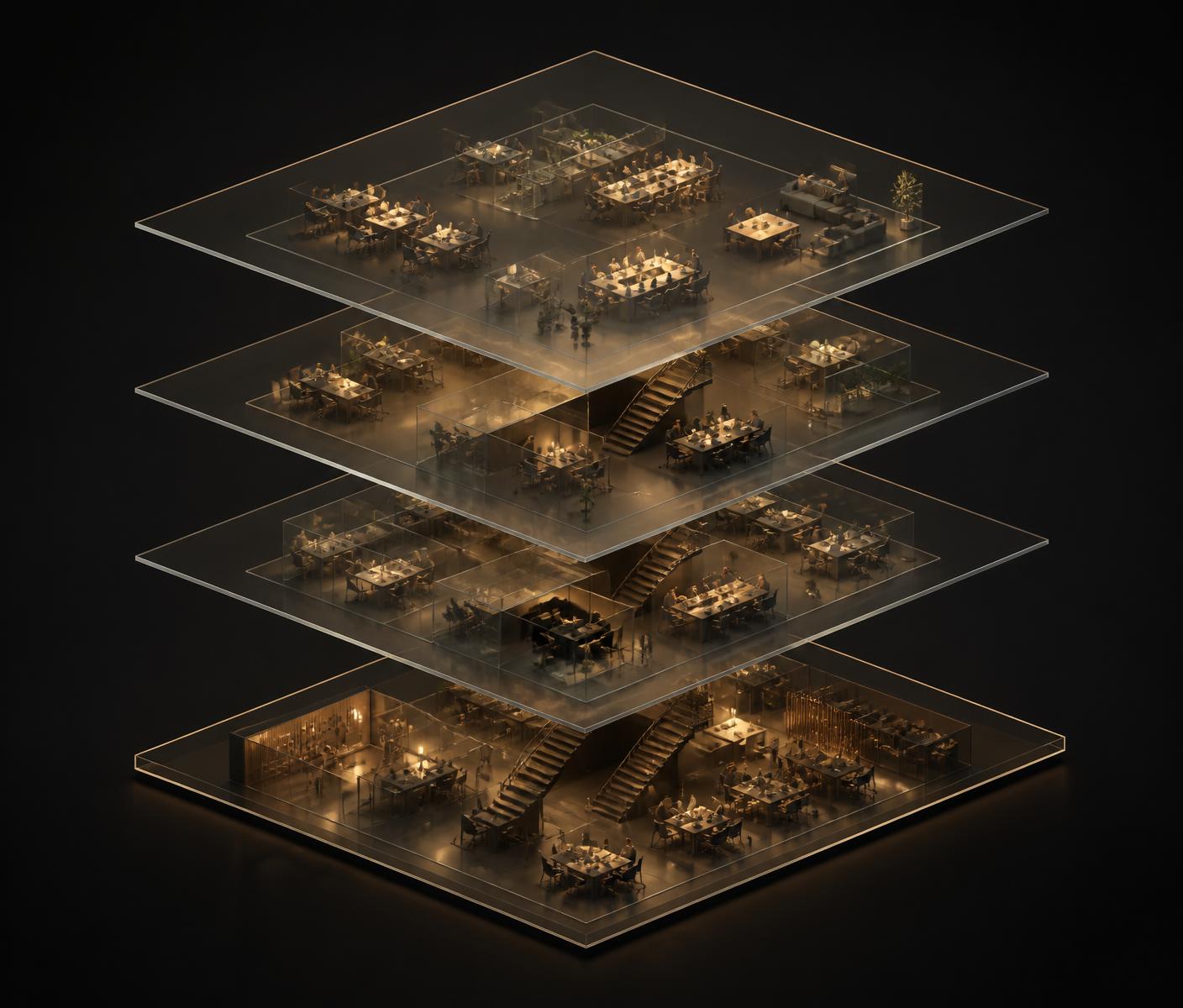
- Purpose
- Strategy
- Systems
- Leadership
- Teams
- Individual experience
Different seats, different perspective
More than a list of roles.
The value of a varied career is not the number of organisations on it. It’s the perspectives gained from occupying genuinely different seats — and from seeing the same problem look completely different depending on where you sit.
- Practitioner
- Employee
- Leader
- Senior employee
- Executive
- Consultant
- Coach
- Director
- Founder
- Entrepreneur
- Systems & software builder
Environments
Environments have included Australian Red Cross, Derbarl Yerrigan Health Service, Shire of Manjimup, Global Diagnostics (before its sale to Lake Imaging), Centrelink, Community First, Baptistcare, Carey Baptist College, multiple disability-sector organisations and Strategy & Business Management Group.
Humanitarian and not-for-profit · Healthcare · Aboriginal community-controlled health · Government and local government · Education · Disability services · Recruitment · Professional services and consulting · Technology and software · Entrepreneurship
These are environments and seats that shaped my perspective, not a list of consulting clients.
Human potential
Every person brings more than their job description.
I believe every organisation, and every person in it, carries a seed of greatness waiting for the conditions to grow. Most of it is already in the building; it is simply not visible from where decisions get made.
So I look past role labels — at skills, life experience, interests, relationships, ways of thinking, resilience and capability that the organisation may not currently see, let alone use.
Context matters too. People bring histories with them, and how work is designed can either steady someone or quietly wear them down. A trauma-informed orientation simply means holding that in mind: safety, dignity and accountability can coexist, and usually work better together.

Leadership
Leadership means remaining a learner.
What brought a leader or an organisation here will not necessarily carry them into the next phase. That is not a failure of the past; it is a signal that the context has moved.
I’m comfortable saying “I don’t know” when I don’t. The useful question is what we need to learn next.
Curiosity, adaptability, reflection and credible vulnerability tend to travel together. Leaders who can hold them create teams willing to name what is actually happening — which is where useful change starts.
Qualifications & development
Kept brief on purpose — the detail belongs in a CV, not a conversation.
- MBA specialising in human resources
- Postgraduate study in organisational psychology
- Professional development across HR, leadership and work health and safety
- Coaching, NLP and life-coaching practice
- Training and assessment, and auditing disciplines
The thread through all of it is helping people see the whole more clearly.
Moving between levels, connecting people and systems, and helping leaders make sense of what actually needs to change — that is the work.
Start a conversation